NEWS

10/23/2026
RIL Launches Its Artificial Intelligence Directorate
RIL is launching its Artificial Intelligence Directorate to promote the gradual, collective, and responsible adoption of this technology, both within the organization and in its work with local governments.
The initiative has a dual purpose: to transform the way RIL works, develop institutional capabilities, and generate insights that can help cities become AI-native, strategically integrating artificial intelligence into their management and the ways they respond to their communities’ needs.
The Directorate is built on a fundamental premise: the true potential of artificial intelligence lies not only in what each individual can do with it, but also in what an organization can collectively learn, build, and transform, and in how that knowledge can be put to work for local governments.
A Process Already Underway
The process began with an internal assessment that gathered 72 responses and helped identify experiences, knowledge, and opportunities related to the use of AI across teams.
Building on this initial assessment, four areas of work were defined: strategy, collective intelligence, AI Champions and culture, and radar and trends. These areas aim to connect experimentation with capacity building, the development of shared guidelines, and a strategic perspective on the opportunities offered by the technology.
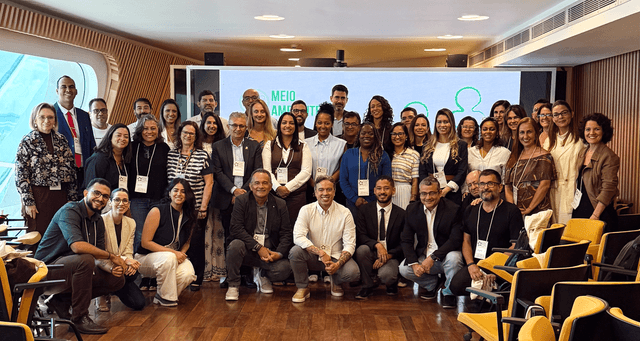
Collective intelligence meetings (VICs) have become one of the central spaces in this process. Through these sessions, teams have begun sharing experiences, exploring tools, and developing a common vision for integrating AI into their everyday work.
One of the first initiatives is the Playground, a space designed to showcase and share solutions developed by RIL teams, ranging from automations and applications to agents and other tools. The idea is that what one person discovers or develops can inspire, facilitate, and enhance the work of others.
From Individual Experimentation to Collective Capabilities
An important step was the launch of the Builders initiative, bringing together people from different RIL teams to explore how artificial intelligence can turn ideas and specific needs into practical solutions.
To support this process, the Directorate is working alongside the technology team to build a shared experimentation environment, with tools, repositories, documentation, and common guidelines that enable solutions to be developed, improved, and reused.
At the same time, a pathway is being designed to help initiatives that demonstrate value move toward further development, validation, and institutional integration, with participation from different teams and appropriate security and governance standards.
The goal is not to multiply standalone tools, but to generate shared knowledge and solutions that can evolve, adapt, and be used across different areas of RIL.
Learning, Building, and Transforming
The AI Directorate aims to foster a culture in which experimentation becomes an opportunity to learn, share knowledge, and build on what others have already developed.
The next steps will focus on deepening the work with Builders, strengthening the ecosystem of reusable tools and capabilities, and testing the pathway for initiatives through concrete experiences.
But the scope of this Directorate extends beyond RIL. The experience the organization is building internally is also intended to become a capability for supporting local governments in their own transformation. The goal is to help cities move toward AI-native management models, in which artificial intelligence is integrated strategically, responsibly, and sustainably into their processes, teams, and services.
To achieve this, RIL will seek to make methodologies, tools, and lessons developed through its own experience available to cities, adapting them to the challenges and capabilities of each local government.
The ambition is to move from individual experimentation toward collective intelligence that transforms the way RIL works and helps more cities integrate artificial intelligence to improve their management and generate greater public impact.